In an Age of AI, Is the Human Touch Becoming Fashion’s Greatest Luxury?
On craftsmanship, creativity and why the things made by hand might mean more than ever.
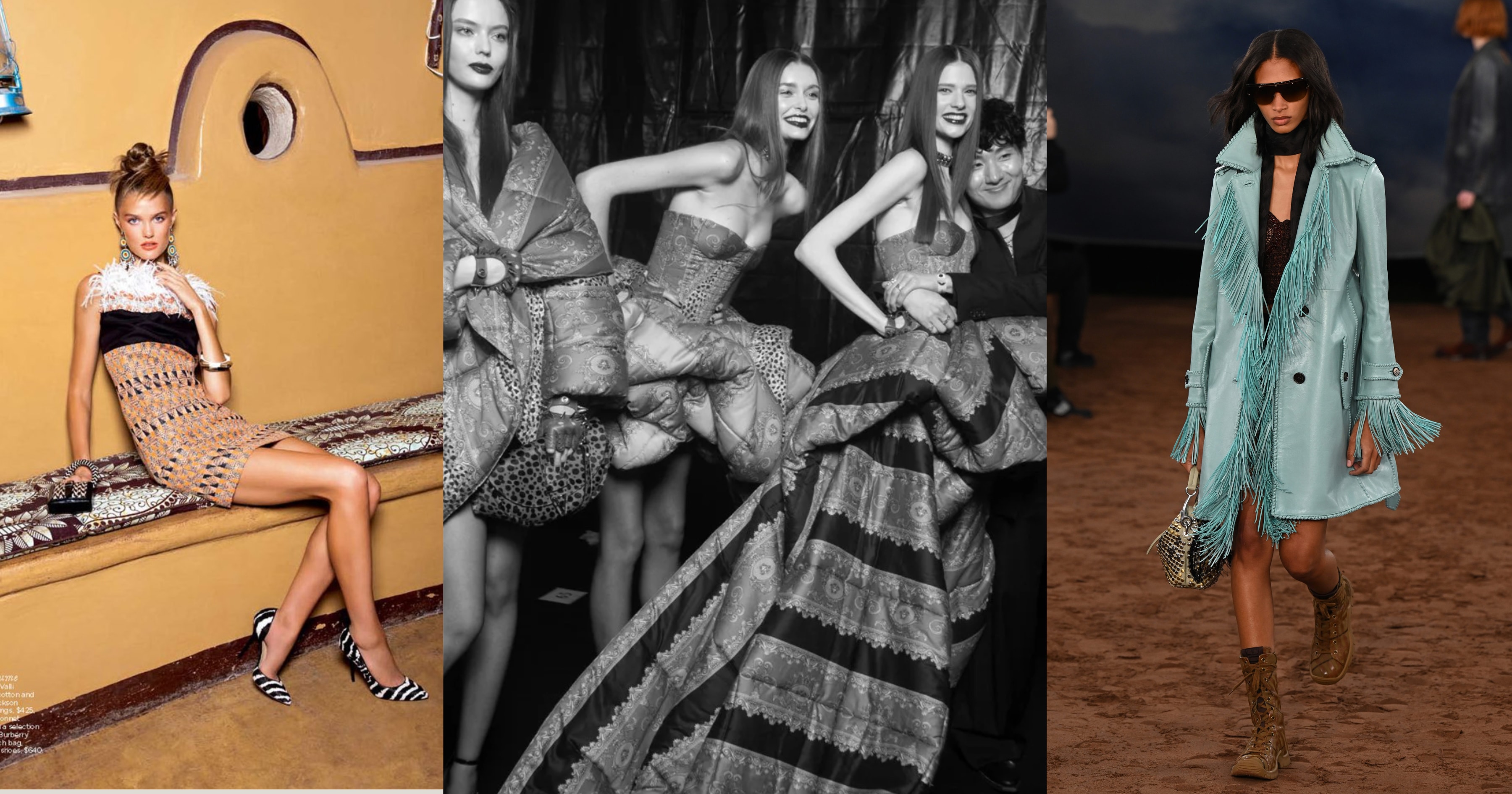
At a time when technology can create almost anything we imagine, fashion is reminding us of the value of what takes time.
A beautifully cut jacket. A hand-finished detail. A photograph capturing something no one could have planned.
Perhaps the more we can generate, the more we notice the things that feel unmistakably human.
And some designers are already exploring that tension.
The value of the human hand
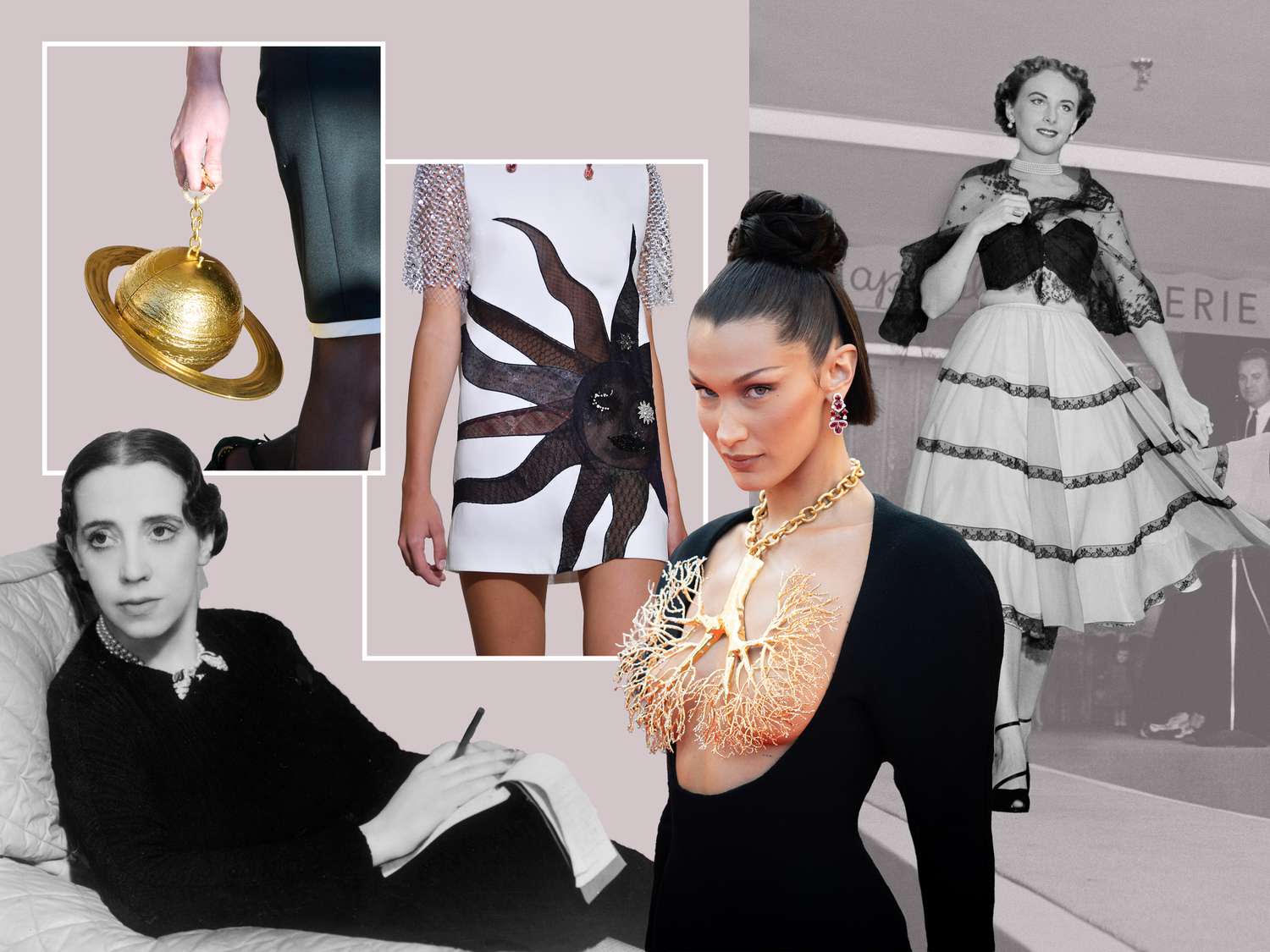
Fashion has always evolved alongside technology, from the sewing machine to digital design. But craftsmanship remains something special: the hours behind a silhouette, the skill behind embroidery, the photographer’s instinct for the precise moment to press the shutter.
These are not simply technical achievements. They are expressions of taste, experience and human judgement.
Designers such as Loewe, with its longstanding focus on craft, and Schiaparelli, where intricate handwork and sculptural design help shape the house’s visual language, show how making itself can become part of fashion’s appeal.
Meanwhile, Iris van Herpen brings advanced technology into dialogue with painstaking craftsmanship, demonstrating that innovation and the human hand need not be opposites.
When something can be created in seconds, the time it takes to make something extraordinary starts to feel precious.
When everything is possible, what becomes special?
AI can produce striking images. But fashion photography has always offered something beyond the visual: a moment that actually happened.
A photographer, model, stylist and creative team come together. The light shifts. A decision is made. The image becomes a record of a collaboration that cannot be recreated in precisely the same way.
That doesn’t make technology incapable of creating meaningful work. It raises a more interesting question: when we fall in love with an image, are we responding only to what we see or also to the story of how it came to exist?
A photograph can hold an entire creative world in one frame: the clothes, the atmosphere, the photographer’s eye and the cultural moment.
It can become fashion history. Not simply because it is beautiful, but because it captures something that existed once, in a particular way.
The new luxury might be something you can’t automate
Luxury has always been about more than the object. It is also about the thought, skill and intention behind it.
A couture dress is not extraordinary simply because it is expensive. Its artistry and expertise are part of what gives it meaning. The same can be true of a photograph that outlives the collection it was created to accompany.
We return to certain images. We reinterpret them. We hang them in our homes.
At Made By Icons, this is what makes fashion photography compelling as a collectible art form. An image can be more than an illustration of a garment: it can preserve a creative vision long after the original fashion moment has passed.
Both fashion and art ask us to look closer. And sometimes, what makes something valuable has very little to do with how quickly it was made.
So, what happens next?
Vogue World Milan’s focus on craftsmanship and the human touch offers a timely starting point for this conversation.
But perhaps the question isn’t whether AI will change fashion. It will. Designers and photographers will continue to experiment, and technology will open new creative possibilities.
The more interesting question is what we will choose to value.
The idea made tangible. The skill behind the detail. The image that captures a moment we can’t get back.
Because perhaps the greatest luxury isn’t having access to everything.
It’s finding something that means something to you and keeping it.