Fashion Loves to Talk About Sustainability. Does It Love to Do It?
The uncomfortable gap between the industry’s beautiful promises and its actual business model.
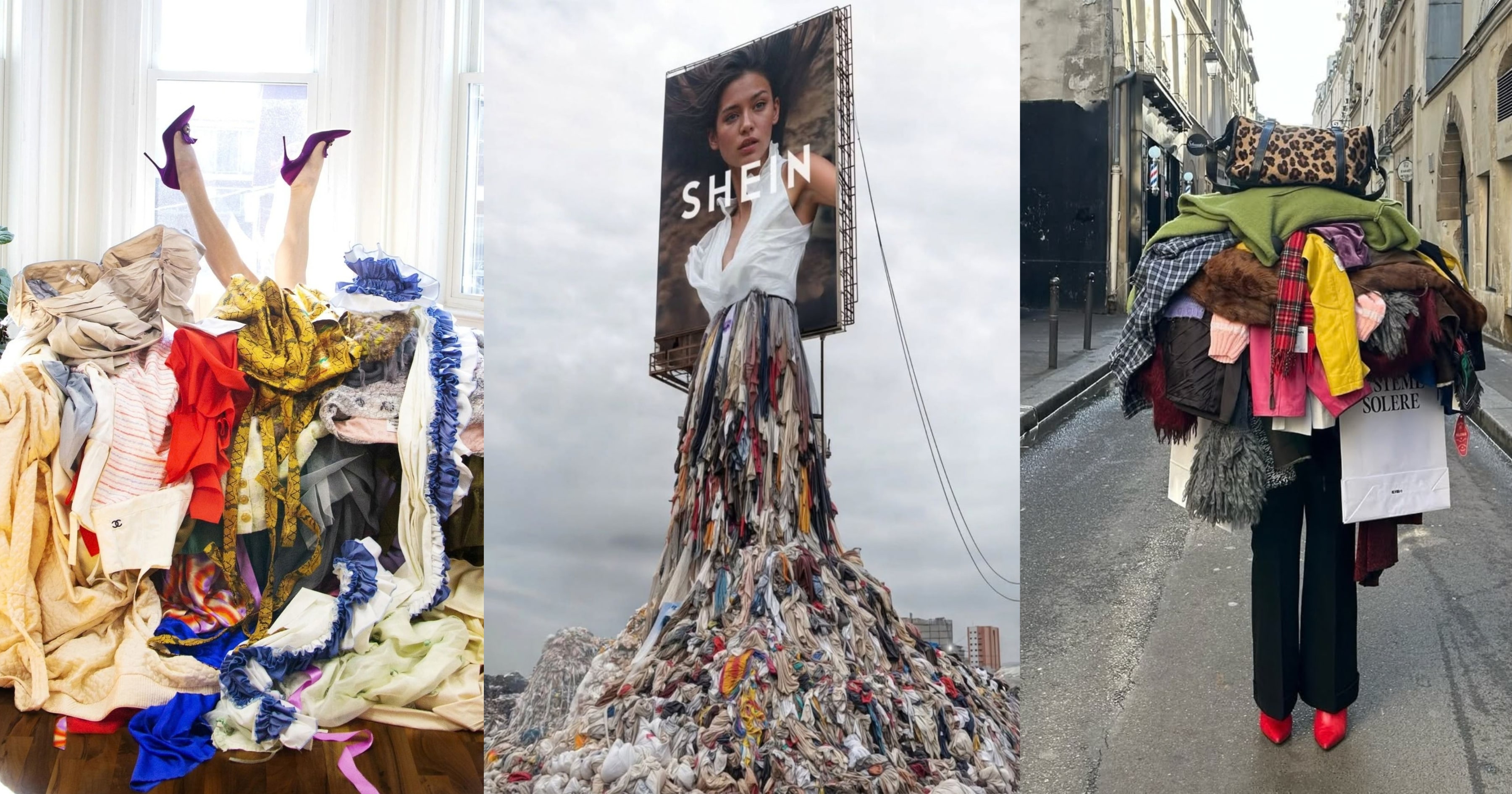
Fashion has never struggled to make sustainability sound beautiful. The difficulty is making it work when the entire business depends on selling us something new.
There is a certain irony in watching an industry built around constant reinvention attempt to embrace the idea of buying less.
Fashion loves a fresh start. A new season. A new collection. A new colour palette. A new reason why the thing you bought six months ago is suddenly the thing you absolutely cannot be seen wearing.
And now, naturally, it loves sustainability.
Or at least, it loves talking about it.
A recent Financial Times report described how economic pressure, shifting priorities and regulatory uncertainty have slowed parts of the industry’s sustainability push. Some major brands have reduced or abandoned previously stated environmental goals, while the wider industry continues to wrestle with overproduction and waste.
Which raises a rather awkward question: can an industry built around selling more ever genuinely encourage us to buy less?
I don’t think the answer is as simple as declaring fashion the villain.
Clothes are not inherently the problem. Beautifully made garments can be worn for years, repaired, passed down and loved long after the original season has disappeared from the fashion calendar.
The problem is the disconnect between the language of longevity and a system that constantly rewards novelty.
We are told to invest in timeless pieces while being shown a new must-have every five minutes. We are encouraged to care about craftsmanship while being trained to expect instant gratification. We are told that a garment is special, then invited to replace it before we have properly worn it.
And now, the conversation is becoming more concrete. In September 2026, a proposed US Textile Waste Reduction Act introduced a framework focused on textile-waste data, planning and coordination. It is a reminder that the future of fashion’s environmental impact involves not only consumer choices, but also the systems behind production and disposal.
Perhaps the most interesting shift would be for fashion to make longevity desirable again.
Not as a moral obligation. Not as a beige lecture about responsible consumption.
But as a pleasure.
The pleasure of owning something beautifully made. The pleasure of knowing how it was created. The pleasure of wearing it until it becomes part of your personal history.
The takeaway? The most convincing sustainability story may not be the one printed on a swing tag. It may be the story of the garment you simply never wanted to part with.