The Billion-Dollar Question: Can a Fashion House Survive Its Founder?
The challenge facing luxury fashion is not simply replacing a designer. It is preserving the cultural identity that made the house desirable in the first place.
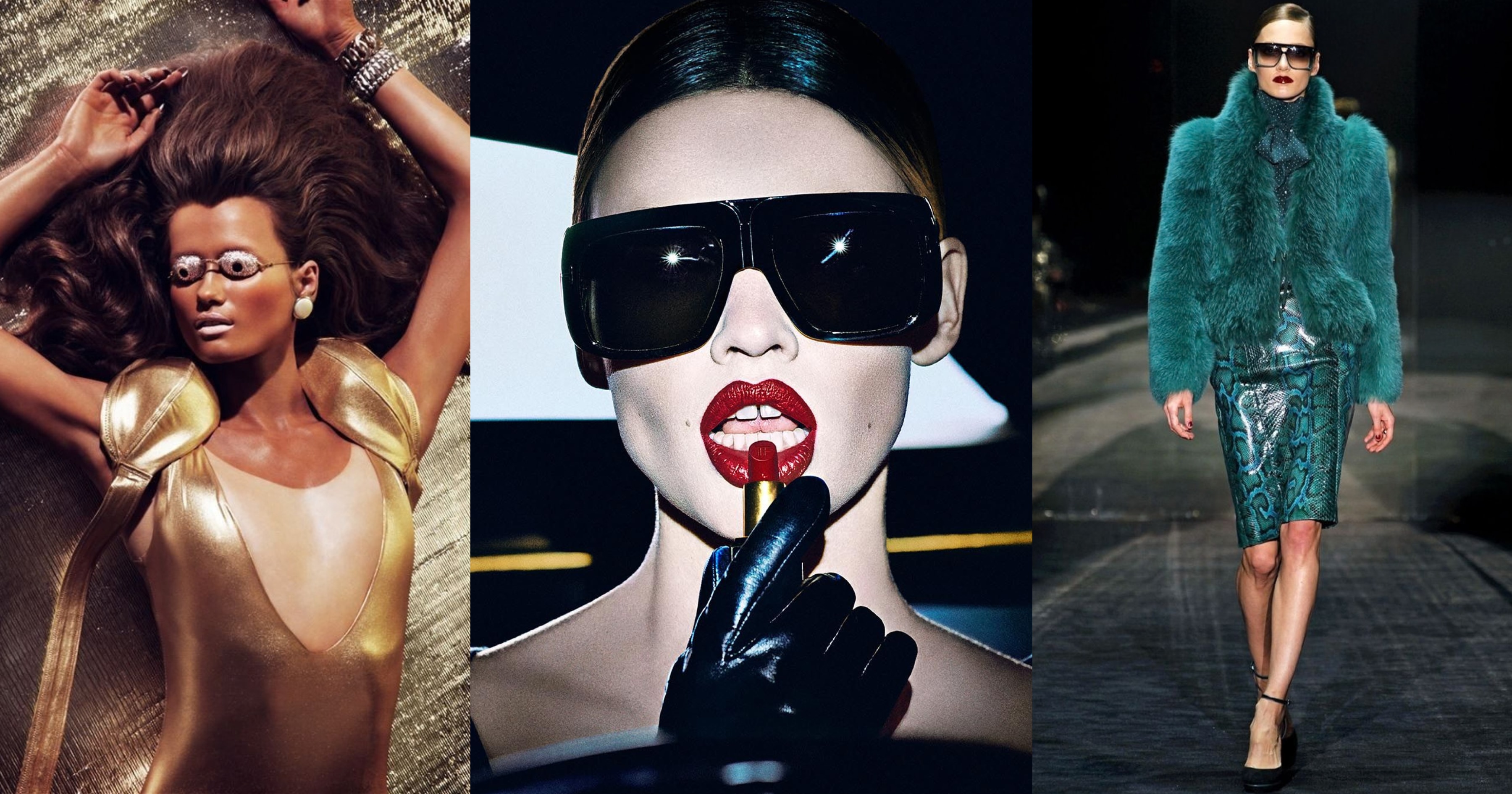
When Tom Ford left Gucci in 2004, the fashion industry questioned whether the house could maintain its momentum without the designer who had helped transform it into a global luxury powerhouse.
Gucci’s response was to divide creative responsibilities between Alessandra Facchinetti, John Ray and Frida Giannini. The experiment was short-lived: Giannini eventually became sole creative director in 2006.
The transition illustrates a fundamental problem in luxury fashion. A founder or defining designer can create an aesthetic so recognisable that replacing them becomes a commercial and cultural challenge.
Alexander McQueen offers a different succession story. Sarah Burton, who had worked alongside Lee McQueen for 14 years, became creative director following his death in 2010. She maintained the house’s emphasis on craftsmanship and tailoring while developing her own interpretation of its identity. Kering later described her contribution as continuing McQueen’s heritage while adding her own creative vision.
Carolina Herrera’s transition to Wes Gordon provides another model. Gordon took over in 2018 after Herrera retired, with the brand maintaining its established codes while developing its contemporary collections.
These cases reveal that succession is not simply about finding another talented designer. It involves deciding which elements of a house’s identity are non-negotiable and which can evolve.
For luxury groups, the question is whether the brand’s cultural value can outlast the person who created it.